
| Date: 07-12-2025 | |
| Number of Hours: 0 | |
| Manual Reference: 23 |
My new AC-Aero Gladiator LIO-390 engine has had 30 hours of flying. It now needs to be removed and sent to an engine shop. Maybe a bulk strip, which is effectively where the engine is disassembled with the case split open and parts are inspected. Until they look pull the cylinders off we won’t know. At a minimum I will need a new set of rings.
Here’s how things look before I start pulling items off and remove the engine from my plane. It is not going to be a small job.
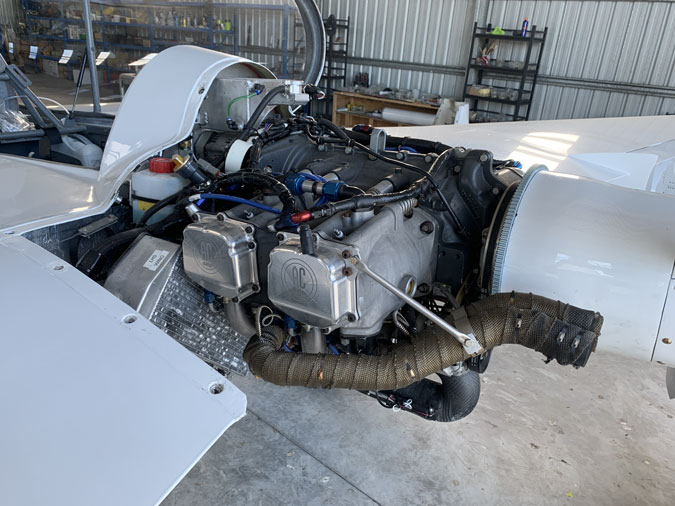
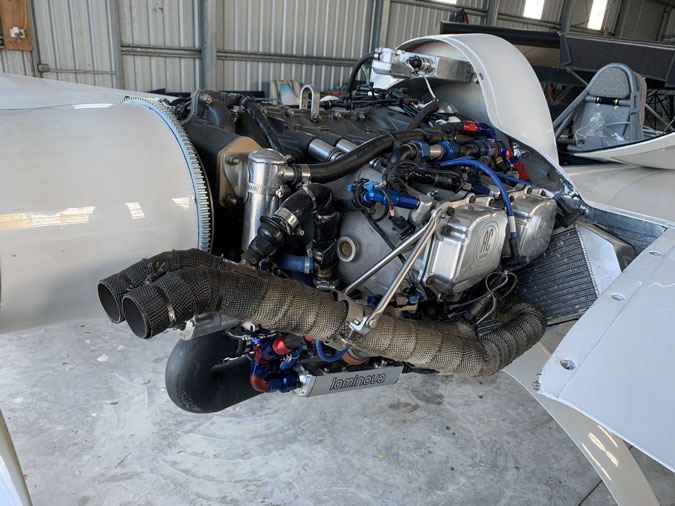
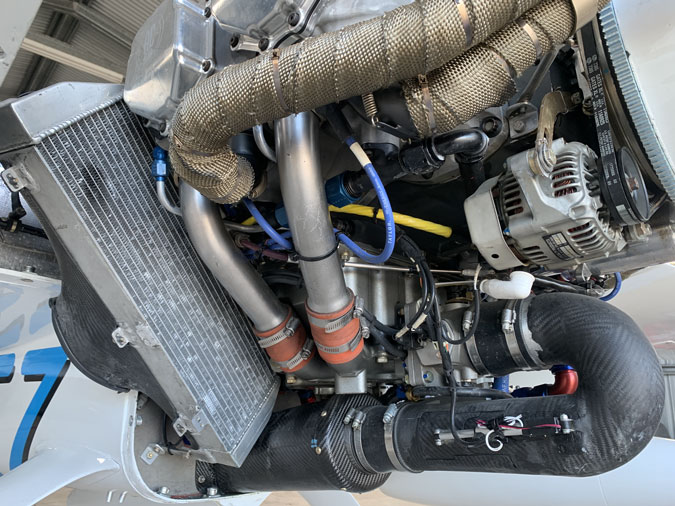
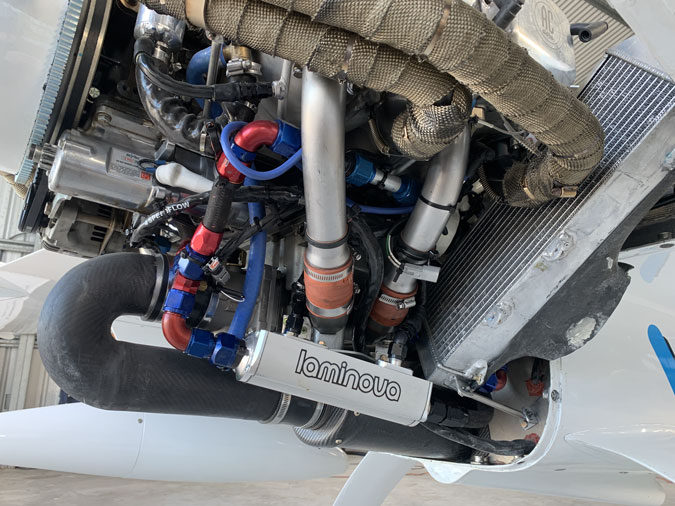
As it comes apart I will be taking a lot of photos and writing myself notes. Yes, its going to be yet another journey. My plans for round the world next year might have to wait until 2027!
What Happened?
Good question. Lets start with before the first engine start after getting everything installed on the plane.
You can see or rather hear there is a bit of groaning going on here as I slowly pull the prop through by hand. This engine is tight. This is way back on 22nd of September 2024. I was told at the time by the licensed guys in the hangar that this sometimes happens with newly overhauled engines, it usually resolves in a few hours of flying in their experience.
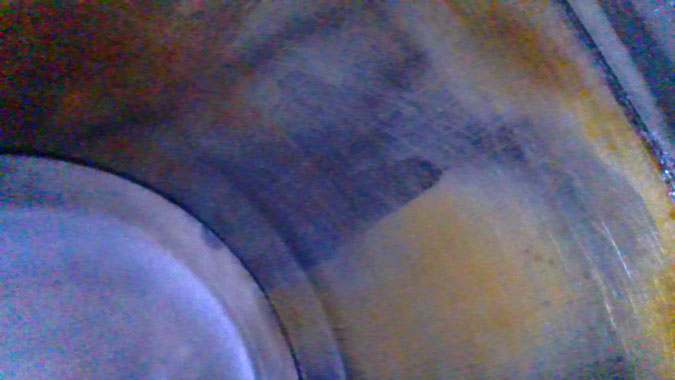
You are looking at the inside of my cylinders.
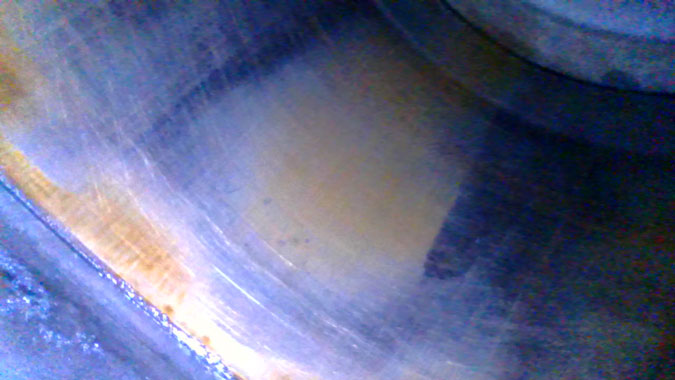
Yes, that yellow colour does not mean I have gold plating.
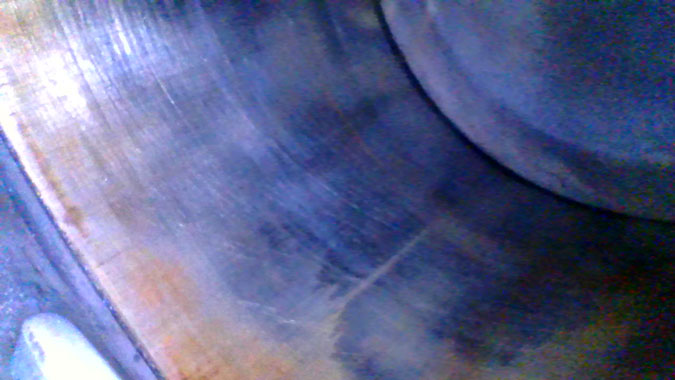
I was still worried about my groaning powerplant so I bought an endoscope for looking inside the cylinders. They are usually called borescopes for engines but this is what was on the box. Anyway the cylinders were full of rust!
What happened?
It turns out that my engine was delivered without preservative oil. Something conforming to MIL-C-6529 Type I is the norm. Now to be fair, I’m sure they did put a small amount of preservative in it, probably from a spray can. This is mentioned in the log book. The engine did have desiccant spark plugs which is the cream on top. Another factor is that the engine is not meant to be full of oil when shipping to Australia from the USA. Maybe this is why nothing much was inside to prevent rust? It was a good 12 months that I spent putting the thing on my plane before we found this problem.
OK, should I have thought of this? Well you’d think I’d get a heads up from the engine builders if it was sent with just a spray of inhibitor and nothing else. It is standard practice to inhibit any engine that might be sitting around for more than a few weeks. I would no more check that this had been done than I would check the wheel nuts on a new car. I did not check every exposed nut for correct torque either. I put inhibiting in this category. All this time I was in a hangar with professional aircraft mechanics, it never occurred to them either. Why check for something that is always done as a matter of practice. So still my fault? Yes, I’d say so. I should have been totally paranoid about rust and done the job myself.
What next?
On advice, I changed the oil again, checked the filter and ran it for a few hours. Then I got my endoscope out, had another look and changed the oil and filter again. There was less rust the second time although definitely rust particles in the filter. Same again, I ran it for a few hours and did the filter, oil, endoscope. Well, less rust this time and short of pulling the cylinders I kept going with the taxi tests and then flying.
I do have to say I had numerous problems with the delivered engine some of which are documented elsewhere in this blog. Compression were very poor (although to be fair they were done on a cold engine) and it took a long time to get it tweaked so it would even start.
What happened next?
I did my first flight and another 30 hours of the test program. I had it starting on the first try for a while but it became progressively more difficult. The last few flights needed 3 tries to get a start. Finally I just could not start the engine at all. The tightness when pulling the prop through had continued as a major concern to me. It wasn’t right but I was flying and it seemed to run well once it was going. The fuel map was all over the place but that can be tweaked manually.
With the no start I did another 6 teeth on the flywheel and had to get the ring gear replaced. Ouch. I had some great advice from a USA engine guy and tweaked the timing to ensure zero TDC (top dead centre) for the start. All back together it still would not start and this time I didn’t ‘push it’. The previous start failure had kickback which caused the damage. This can occur with the voltage low. My batteries are quite new and I have them on float between flights. I started pulling the prop through as a check and it was tight, really tight.
OK this might explain the no start. So much friction that I can’t get enough rotation speed? I had replaced the sparkplugs since the last attempt and this time they didn’t even get to fire. Here comes some videos so you know what I mean….
You can see how tight the prop has become (plugs in).
Here with the top spark plugs out we should have the thing spinning pretty freely. Nope it is still tight.
Of course the engine is cold because I couldn’t start it. I went for a ‘better’ video 30 minutes after the last one and the prop is now much looser. WTF???? I believe something has moved inside the engine given it now has reduced friction. Time for a look inside….
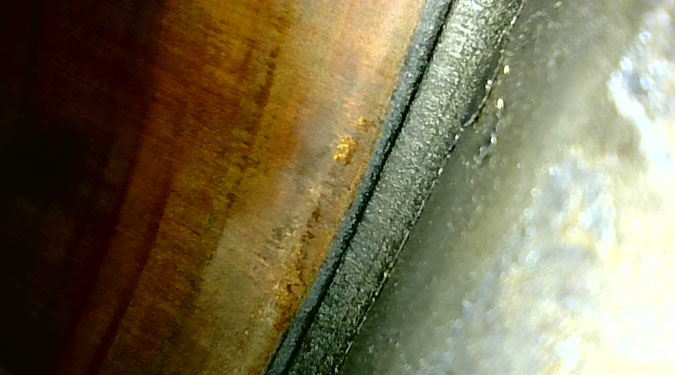

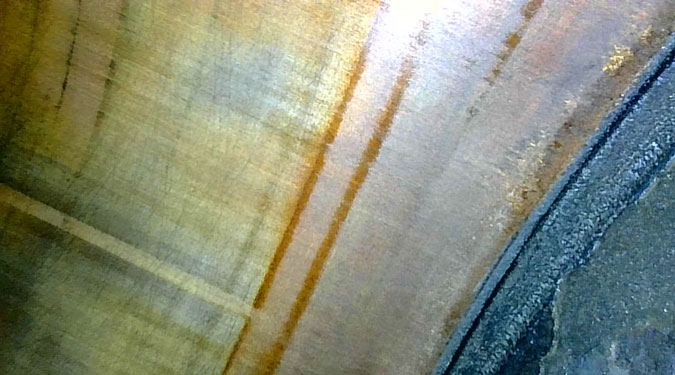
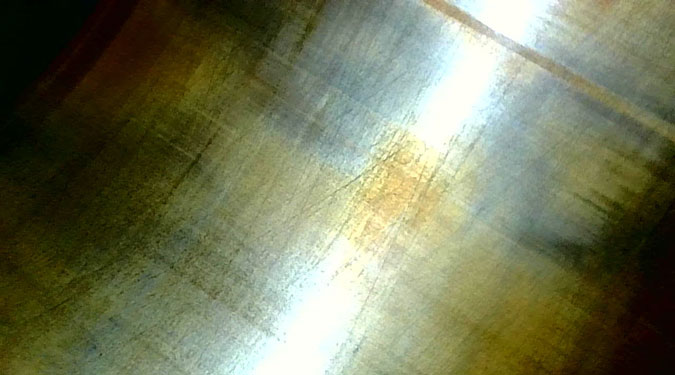
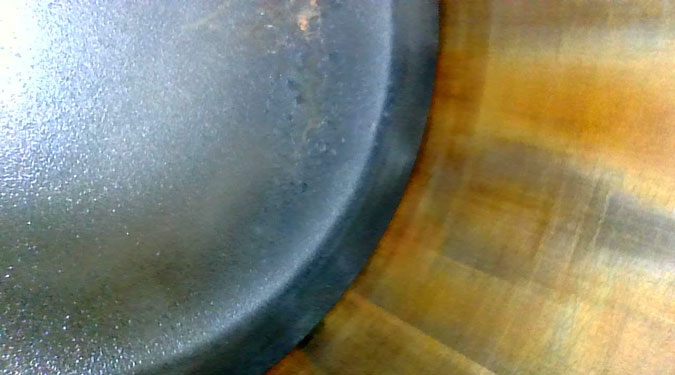
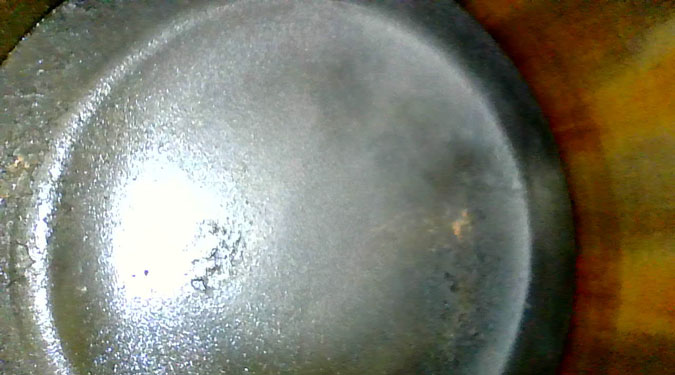
#1 Cylinder
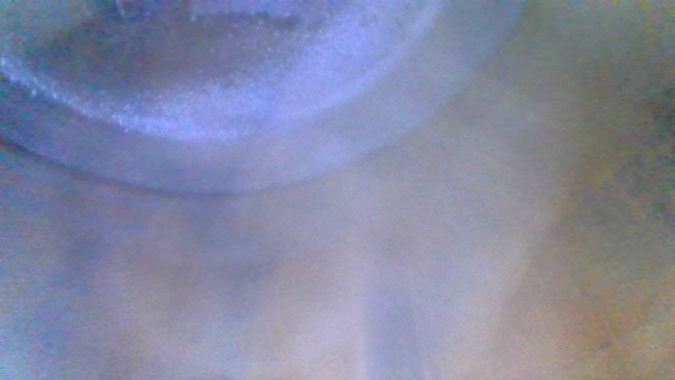
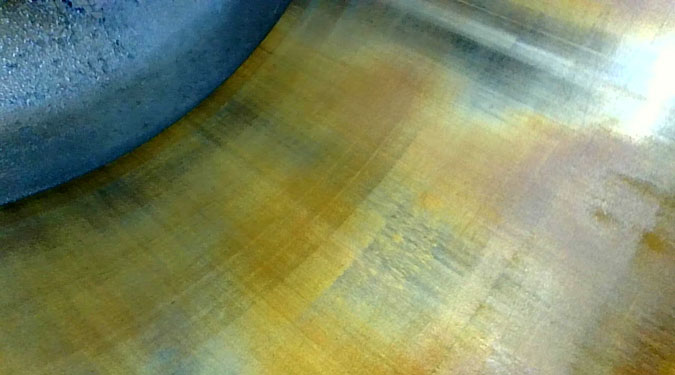
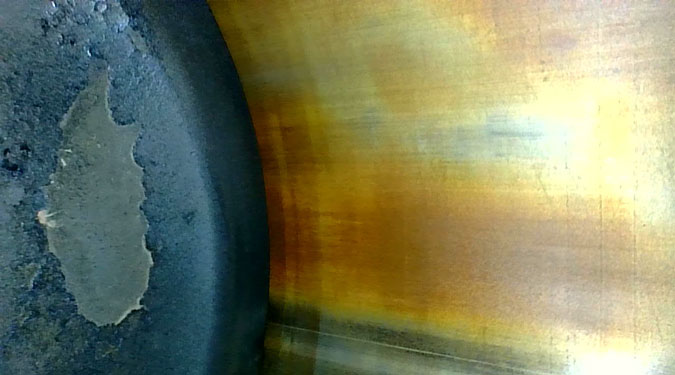

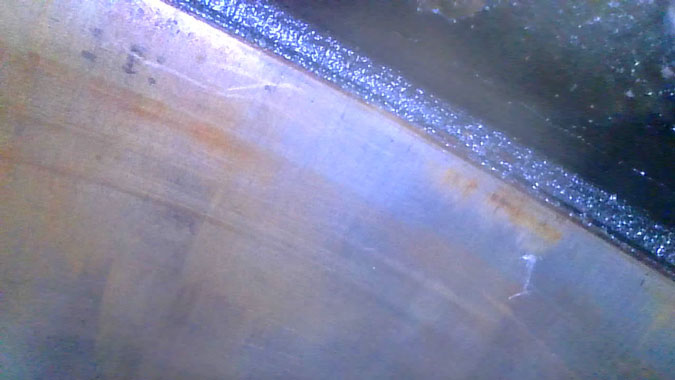
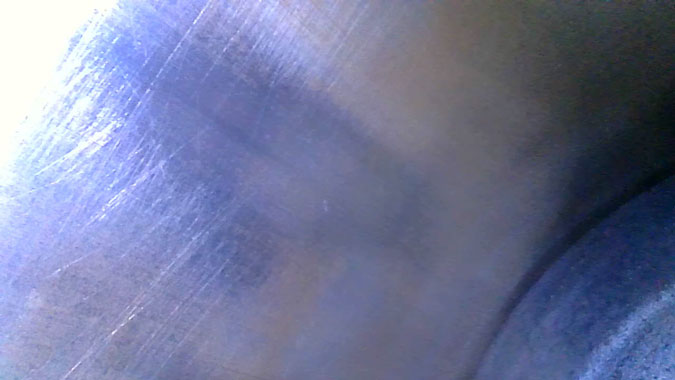
#2 Cylinder
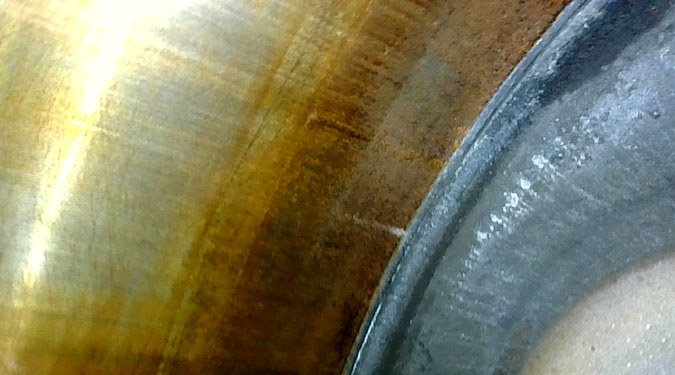
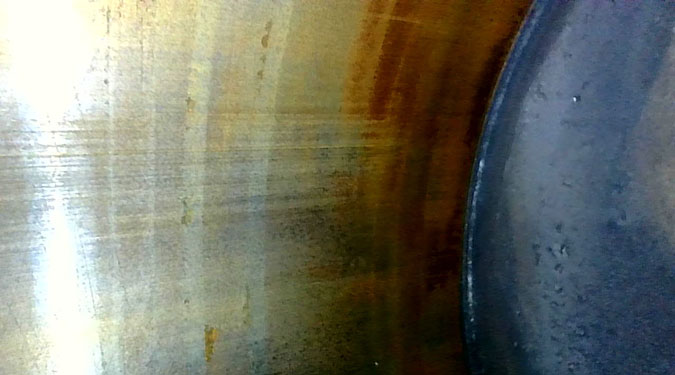

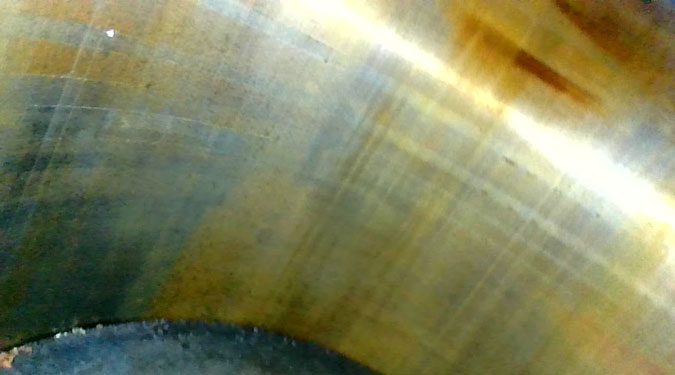
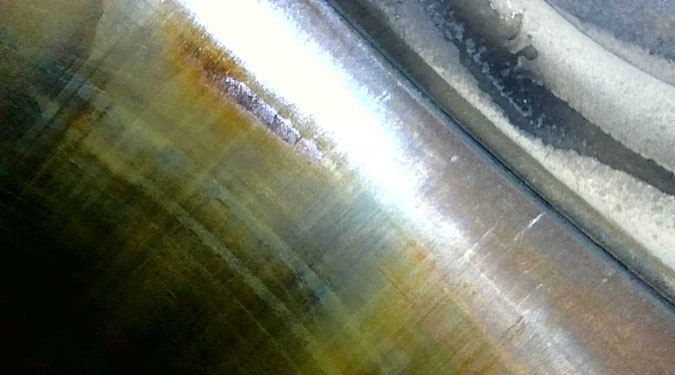
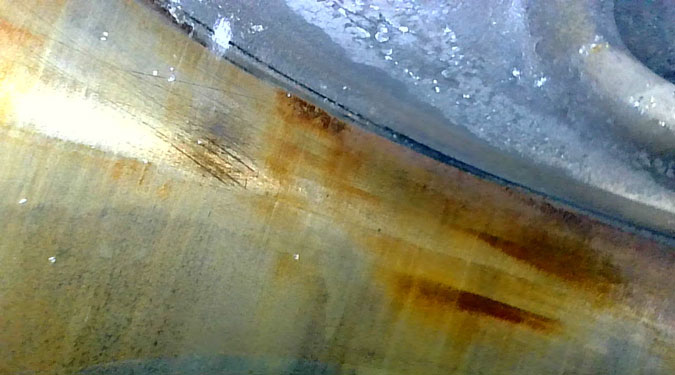
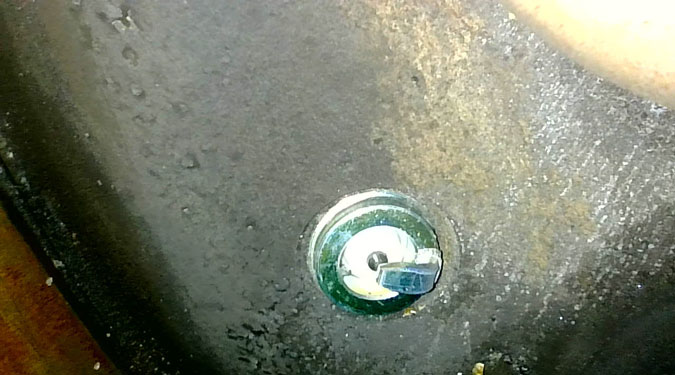
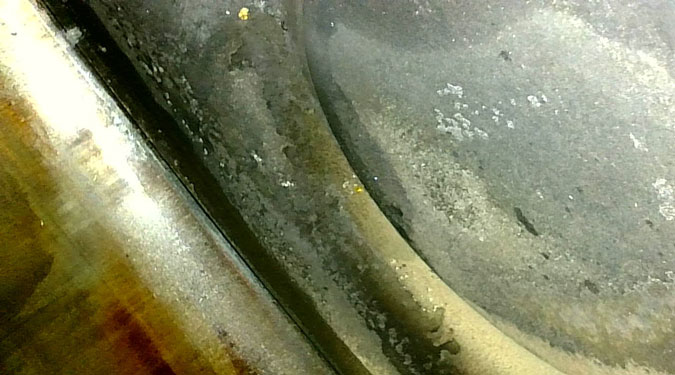
#3 Cylinder
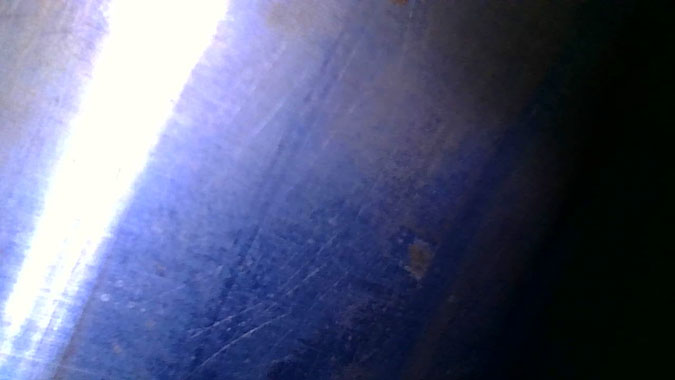
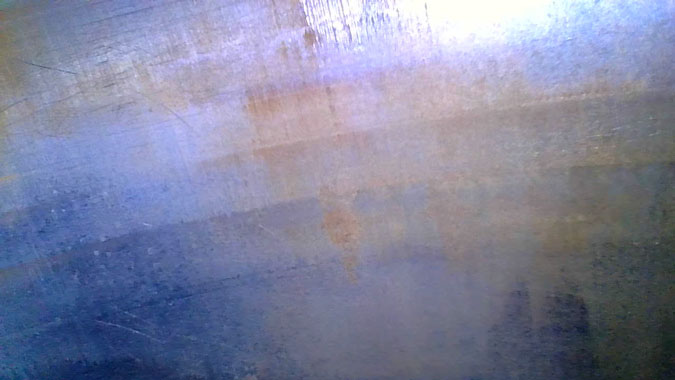
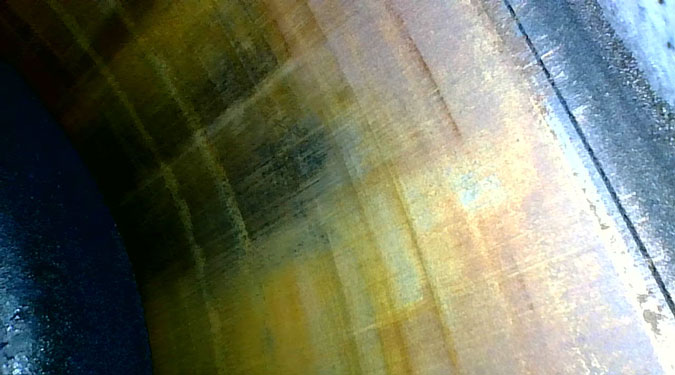
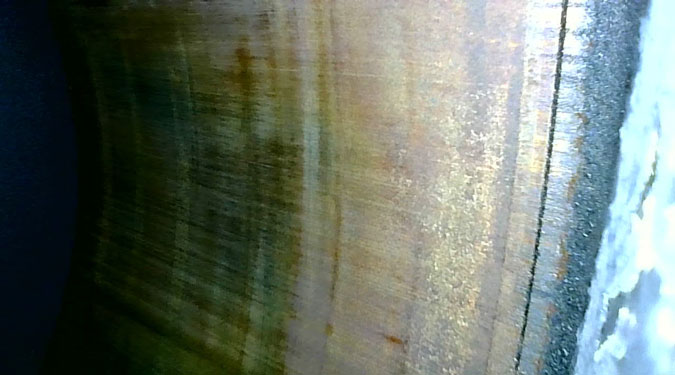
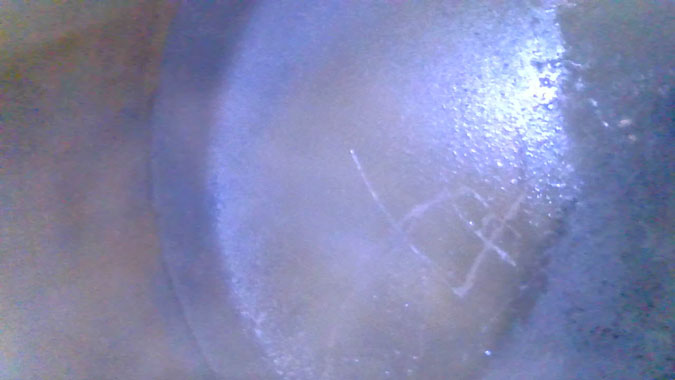

#4 Cylinder I’ve put a lot of photos up I know. Maybe someone will look at these and add some knowledge from their experience. Either way I have to do the obvious.
What Next?
With a no start and this cylinder inspection the decision was easy. The rust has increase enormously with flying and running the engine. It only used 1.5 litres of oil in 30 hours as well. The cylinders are just not getting lubrication. The oil rings are not doing the job and give the intermittent tightness something bad is happening deeper in the engine.
I have arrange for an engine shop to do a ‘bulk strip’ if required. Unfortunately they can’t look at it for a couple of months. That does give me time for removal and transport. It’s about 5 hours away by car and there are some logistics to deal with of course. Once we have a complete inspection we will know what needs doing and go from there.
I was never happy with the engine as it was delivered. There were too many things pointing to problems down the track. Fortunately perhaps, the issue has occurred requiring very major work. On the other side of this I will move forward towards my goals with increased confidence in my ride.